International Day of Friendship – 30th July 2024
16th July 2024
In the opening credits, the infamous song lyrics from our favourite Central Perk coffee pals show ‘I’ll be there for you, ‘cause you’re there for me too’ simply sums up the meaning of friends. Could it be any more iconic? Growing up we find there are many things out of our control. We can’t choose our parents, our genetics or the things that happen in the world around us. We can, however, choose our friends. They are a shoulder to cry on and a hand to hold. Someone to confide in, who can enrich everyday experiences and boost happiness. Ultimately, they should bring out the best in you!
What is International Day of Friendship?
International Day of Friendship was designated by the United Nations General Assembly as a way to step back and be thankful for relationships between people, countries and cultures. It is a day to encourage peace, happiness and unity. As a way of building bridges, this event is committed to embrace diversity, inclusion and appreciation in a world that often faces challenges, crises and forces of division.
Why are friends important?
Friendship is a powerful force and we often refer to it as the family we choose. A good way to think of our friends is like creating a safety net to support us through life.
According to recent research friends are just as important for our mental and physical wellbeing as proper diet and exercise. Physically, social connection is linked to lower blood pressure, lower mortality risk (loneliness being a huge factor contributing to mortality rates), improve sleep quality and even heal faster. Enjoying time with friends encourages our brains to release endorphins, which in return has a relaxing effect, which ups our resilience to stress. Even more magically, endorphins can trigger the immune system, helping to pump out white blood cells, which in return destroys viruses.
Having friends has the potential to protect us from the impact of loneliness and its adverse effects. Relationships full to the brim of understanding, respect, reliability, honesty and kindness can boost self-esteem and enhance mental health.
It is important to remember that this only applies to quality friendships with people who inspire you to become a better version of yourself. The opposite can be true and toxic friends can negatively impact your health as you adopt the habits of your peers. The risk for depression, suicide, obesity and substance abuse drastically increases when spending time with people of a similar disposition.
Top tips for making friends at school
Making friends can be a rewarding yet challenging experience, especially as we navigate through different stages of life. When you’re little it can be as simple as saying ‘hello, do you want to play?’ but it can be much harder as you get older. It can be really difficult to make friends and there are many reasons why a child might struggle, whether it be due to low self-esteem, bullying or simply because they’re shy. Here’s our top tips for little ones starting school, pre-teens going to high school or any child that needs a nudge in the right direction to expand their social circle.
1. Icebreakers - ask open-ended questions and have follow-up questions, this keeps the conversation flowing. Practice introductions, for example, ‘hi my name is x, can I join in?’. Talk about something you both have in common – what classes are you taking? What’s your favourite subject? Do you have a pet? What music do you like? How’s your day going? Complimenting someone is a great way to get talking! You can also offer to help someone or ask for help if you need it.
2. Join clubs or groups - everyone has their own passion. Teams and clubs are a great way to meet new people and pursue your interests. Whether it’s a book club, a sports team or a hobby group, being part of a community with shared interests makes it easier to connect with others.
3. Be approachable - smile! Tackle new situations with an open mind and a positive attitude. Make eye contact, our body language speaks volumes.
4. Be a good listener - the foundations of friendship are respect and understanding. Practice good listening by paying attention to what others are saying, asking questions and showing empathy. This helps to build trust and rapport.
5. Take initiative - don’t be afraid to make the first move, it shows that you’re interested. Talk to someone who is alone, you may find you’re not the only one struggling to make friends.
6. Find common interests - look out for your classmates’ styles and activities. Is someone reading your favourite book or playing a game you love? These common interests can serve as a great starting point and help you find people you’re more likely to get along with.
7. Embrace diversity - don’t reject potential friendships because they’re different to you. Connecting with people with different backgrounds, interests and social experiences can broaden your perspective and enrich your compassion and understanding.
8. Be yourself - celebrate your strengths! It can be tempting to act differently to fit in better, but ultimately you won’t feel like you. Good friends will accept and support you as you are. You deserve to feel confident and happy about yourself.
9. Practice affirmations - boost your confidence by thinking about and writing down what you have to offer. Once you see all of the good things about yourself you’ll feel a lot more comfortable going out and talking to new people. I am enough. I deserve to be happy. I’m a great friend. I am kind. I have a good heart. I am resilient. I work hard. I have great ideas. I am fun. The positivity is endless…
10. Encourage positive behaviour - if pre-schoolers develop empathy and emotional intelligence they will be more likely to show kindness and compassion towards others, helping them to build strong connections with their peers, leading to meaningful friendships.
11. Talk to your friend’s friends - feelings of jealousy and loneliness can arise when your best friend makes other friends. It could, however, be a blessing in disguise! Get chatting to them and you may realise why your friend likes them so much, change doesn’t have to be a bad thing.
Activities to do at school on International Day of Friendship
International Day of Friendship is a great way to share stories, hold assemblies and explore what qualities make a good friend. It’s a fantastic opportunity to reflect, converse, laugh and cherish the people who stand by us. Not sure how to celebrate this day in school? The below activities are great for all ages:
- Friendship bracelets - craft colourful bracelets for each other as a wearable symbol of friendship.
- Poster contest – students create posters that visualise the value of friendship.
- Write a list of what you love about your classmates and take it in turns to share.
- Write an acrostic poem using the word FRIENDSHIP.
- Draw a potion bottle and write down all the “ingredients” that make a good friend, i.e. caring, generous, good listener, helpful etc.
- Spend the day practicing acts of friendship. Share your favourite snack. Work as a team to build something. Help someone who is struggling.
- Hold a friendship awards ceremony. Celebrate every child’s uniqueness and strength.
- Storytime – read captivating books about friendships and talk about which characters make good friends.
- Compliment circle – gather in a circle to exchange genuine compliments.
Modern friendships
It is the common narrative these days to complain that friendships (or all relationships) aren’t what they used to be. Places are filled with people staring at their phones, seeming to care more about their own PR than about being present with each other. Even the word friend has been transformed by social media as there’s a sense that being friends with someone just means having clicked “accept” on their friend request, without ever saying hello.
So, does social media threaten friendship or promote it? We have seen (even more clearly since COVID-19) that it is much easier to maintain friendships and stay connected than it was only a few decades ago. From being limited to making a phone call or sending a letter we can now video call, text, instant message, send photos and see what our friends are up to 24 hours a day, seven days a week.
The internet enables us to connect with similar people and tap into support and solidarity that might not otherwise be available to find offline. After all, millions of people use the web and social media, giving you more choice of friends than the select few confined to the 4 walls of your classroom or office.
Speaking from a personal perspective Instagram friends absolutely can be real friends. At a time in my life when I had married and had my first child, all of my “real life” friends were still enjoying their single, child-free lives. I knew no-one who I could relate to, share this experience with or confide in, feeling incredibly lonely. Social media gave me my tribe, a group of women my age, all with babies born the same time of year as my little boy. We have grown together, supported each other and enjoyed living comparable lives. Going on to having more children, and thriving through the same stages of life, from weaning to starting school. Nearly 8 years later these friendships are still valued.
Similarly, I am a running addict (as you can read in my previous blog Super 6 Running (brownsbfs.co.uk) ). I don’t know anyone who runs, so Instagram came through again. I now have the best community online to keep me motivated, share experiences and be my cheerleaders. No, these friends may not be running with me, but a simple like, comment, kudos and reel to watch is invaluable.
It does come with complications, most alarmingly internet safety amongst the younger users and the rise of cyber-bullying. Social media can also encourage us to value quantity over friendship quality. Moreover, you may not want to be accessible all of the time. Ultimately, don’t be afraid to block people, leave groups where you don’t feel comfortable and tell an adult about comments that worry you.
Books that celebrate friendship
Unsurprisingly, considering how important friendships are to children of all ages, there are thousands of children’s books that highlight the importance of having a good friend by your side. They deal with all aspects of friendship, focusing around tight-knit groups fighting monsters, seeking treasure, overcoming bullying and getting into mischief. Our full collection of friendship stories for children can be found here but here’s our top 5 tales based on the best of friends…

The Secret Garden
Hodgson Burnett, Frances
Paperback / softback
It wasn’t until later in life that I discovered the awakening garden in the story is a metaphor for the blossoming friendship of the children who tend to it. A common theme throughout the story is loneliness, but Mary, Dickon and Colin prove that through trust, reliance and curiosity great friendships can grow.
More Details
Harry Potter and the Philosopher's Stone
Rowling, J.K.
Paperback / softback
Although there are many themes running through the Harry Potter series, friendship between the golden trio is central to the plot and essential to Harry’s ability to defeat Voldemort. Most famously spoken ‘it takes a great deal of bravery to stand up to your enemies, but a great deal more to stand up to your friends’.
More Details
Winnie-the-Pooh
Milne, A. A.
Paperback / softback
As an adult it has struck me that Winnie-the-Pooh has a lot to teach us about friendships. Most strikingly that friendship is about variety, the more diverse our friends are, the more diverse our experiences. No one can accuse Pooh-bear of hanging only with teddy bears. Tigger, Kanga, Roo, Eeyore, Owl, Piglet, Rabbit and Christopher Robin offer an abundance of variety and shows that friendship is about acceptance.
More Details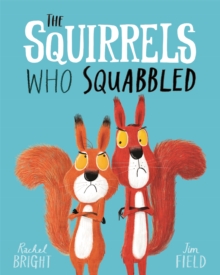
The Squirrels Who Squabbled
Bright, Rachel
Paperback / softback
In true Rachel Bright style this bouncy, rhyming story delivers an important moral message. Two greedy squirrels learn that working together and sharing is the only way to get what they both want – the last nut of the season!
More Details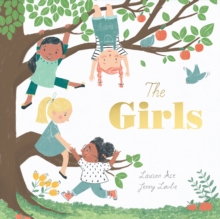
The Girls
Ace, Lauren (Editorial Director – Fiction Studio)
Paperback / softback
A personal favourite, this beautiful picture book follows four girls and the bonds they form as they grow into adults. With a wonderful range of representation, we discover the importance of friends who empower, support and uplift one another. Lauren Ace also pens The Boys which similarly navigates the journey of friendship over time, both dispelling the myths around what a girl or boy should be like.
More DetailsEmpathy
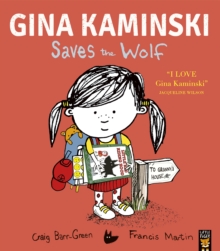
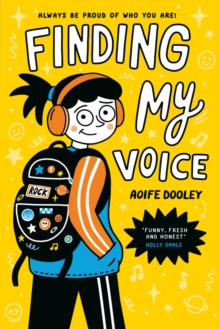
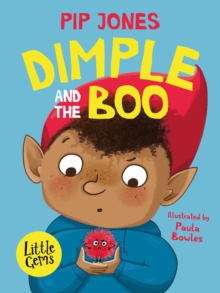
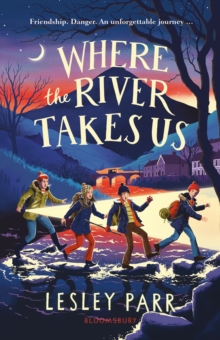
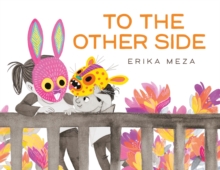
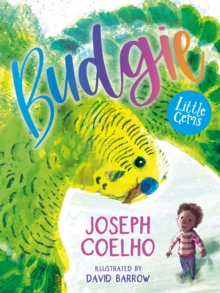
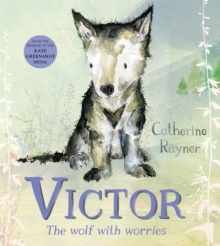
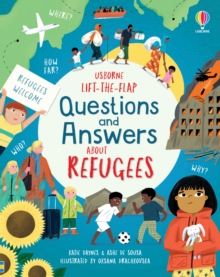
A great way to boost friendships is through empathy. This is the ability to experience and understand someone else’s feelings. For a child to achieve this, reading is their superpower! Stories help us to see things from a character’s view and experience how a character is feeling. We can face the obstacles, emotions and challenging circumstances of people who are different from us and harness this compassion to apply to real life. Through books we can raise an empathy educated generation who are more settled at school and have happier relationships.
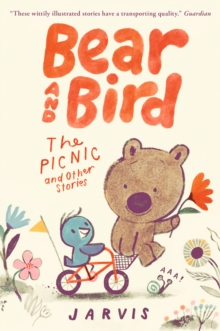
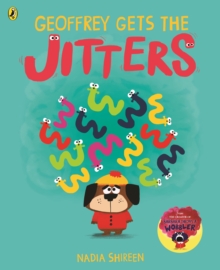
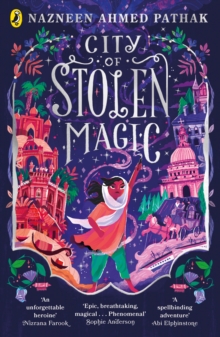
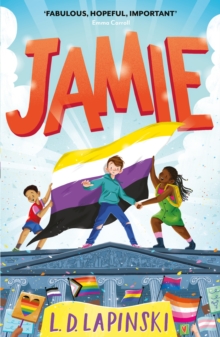
The below empathy lists feature authors, illustrators, storylines and characters from diverse backgrounds and offer a great resource to help young people put empathy into action.
Laura, Content Selection Team
Primary Empathy Titles
See More



Secondary Empathy Titles
See More